Water Softener Installation & Repair in Chester, PA
White scale on fixtures, soap that won't lather well, or a softener that's stopped regenerating properly. Chester Express Plumbing installs and repairs water softeners.
☎ Call (610) 672-7601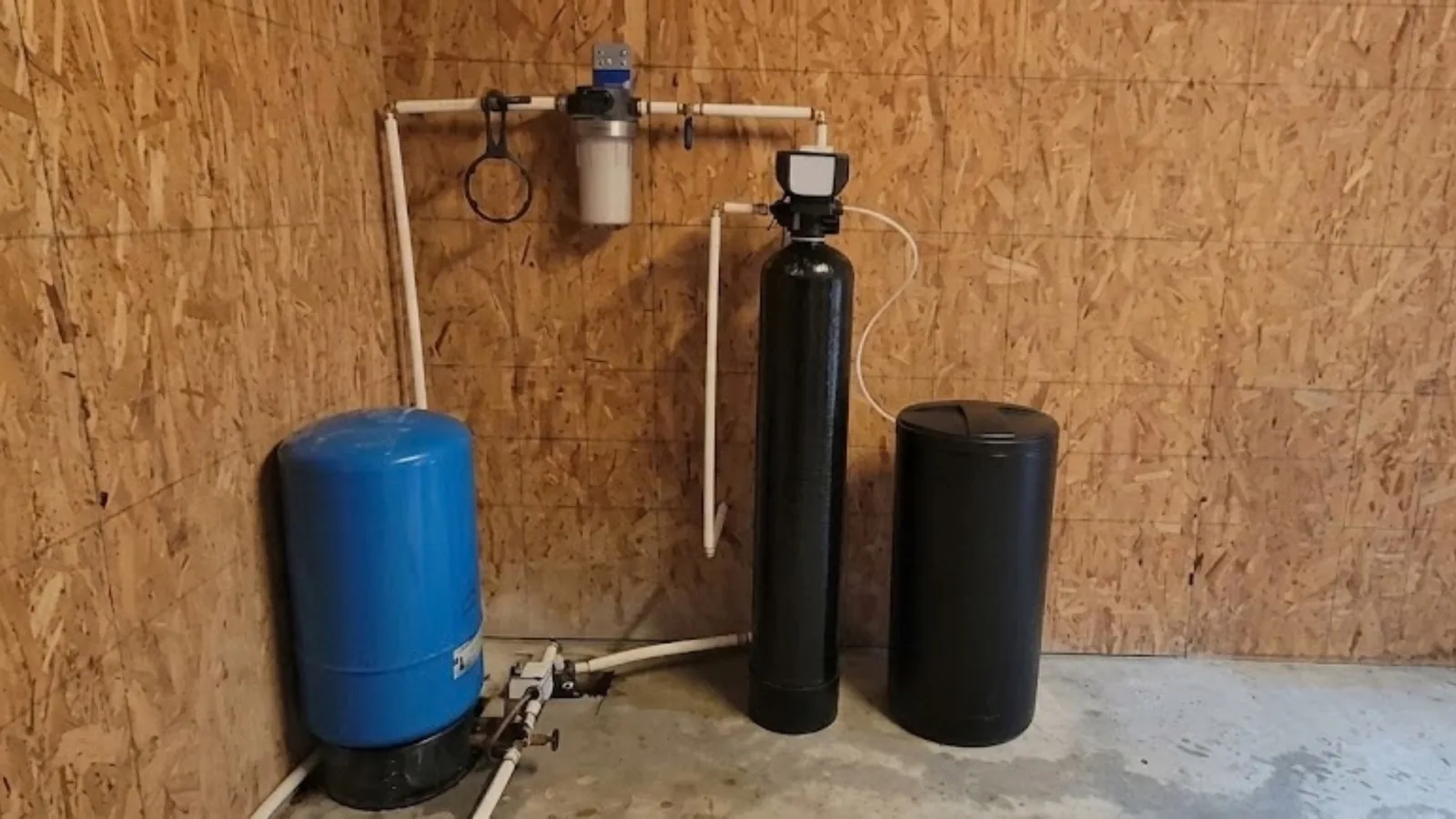
Signs of Hard Water at Home
Mineral hardness in water shows up in predictable ways: white or chalky scale building up around faucets and showerheads, soap and shampoo that won't lather well, spots on dishes straight out of the dishwasher, and fixtures that seem to need cleaning more often than they should. Water hardness varies by source and season even within the same utility area, which is why a water test, not just a general assumption about the region, is the honest way to confirm whether softening will actually help.
An existing softener that's stopped regenerating on schedule, or one that's simply not making water feel any different than it used to, points to either a depleted resin bed, a control valve problem, or a system that's simply reached the end of its service life.
Install, Repair, or Replace
New Installation
A softener is sized to household water usage and hardness level, installed at the point where water enters the home before it reaches the water heater and fixtures.
Resin or Control Valve Repair
A softener still regenerating but not softening effectively often needs new resin media or a control valve repair, both less expensive than replacement.
Full Replacement
A softener 10 to 15 years old with a failing control head or a resin bed that's fouled beyond cleaning is usually more practical to replace than repeatedly repair.
Salt-Based vs. Salt-Free Systems
A traditional salt-based softener actually removes hardness minerals from the water through ion exchange, which is the only approach that fully eliminates scale buildup. A salt-free conditioner alters mineral structure to reduce scale formation without removing the minerals themselves, a lower-maintenance option that some homeowners prefer but one that performs differently than true softening, worth understanding before choosing between them.
Households on a sodium-restricted diet sometimes ask about softener impact on drinking water; a potassium chloride alternative to standard sodium-based salt is available for exactly this situation, at a somewhat higher ongoing cost. Softened water is not recommended for outdoor irrigation or lawn watering, so a bypass valve for an outdoor spigot is worth including in the installation, a detail that is easy to overlook until the first watering season after installation. That bypass is a small addition at install time but a much bigger retrofit once the softener and outdoor lines are already connected.
Signs Your Softener Needs Attention
- Salt in the brine tank isn't going down at the expected rate.
- Water feels the same as before installation, hard rather than soft.
- A control valve display showing an error or not responding.
- Salt bridging: a hardened crust forming above the water level in the brine tank.
- Increased scale buildup on fixtures despite having a softener installed.
What Softener Installation and Repair Cost
According to most manufacturer guidelines, a standard resin bed lasts 10 to 15 years before it needs replacing, depending on water hardness and household usage. If taste or chlorine, not hardness, is the real concern, our water filtration service may be the better starting point. Want your real number? Call (610) 672-7601.
Frequently Asked Questions
How do I know if I actually need a water softener?
Visible scale on fixtures, soap that won't lather well, and spots on dishes are common signs, but a water hardness test is the honest way to confirm before spending money on a system, since hardness varies by source and season.
Why isn't my existing softener working anymore?
The most common causes are a depleted or fouled resin bed, a control valve that's stopped regenerating on schedule, or salt bridging in the brine tank preventing proper regeneration.
How long do water softeners typically last?
Most systems last 10 to 15 years with normal use before the resin bed or control valve needs replacing. A softener in that age range that's stopped performing well is often more practical to replace than repair. A brine tank running low on salt more often than expected can also signal a leak in the brine line, worth checking carefully during the same service visit rather than just refilling salt and moving on.
What's salt bridging and why does it matter?
Salt bridging is a hardened crust that forms above the water line in the brine tank, preventing salt from dissolving into the water needed for regeneration. It's a common, fixable cause of a softener that seems to use salt but isn't actually softening water.
Softener Not Working Right?
Chester Express Plumbing installs and repairs water softeners throughout Chester, PA.
☎ Call (610) 672-7601